Signs Your Pavers Need Professional Restoration
Spot signs of paver wear and learn cost-effective restoration tips for your outdoor spaces.
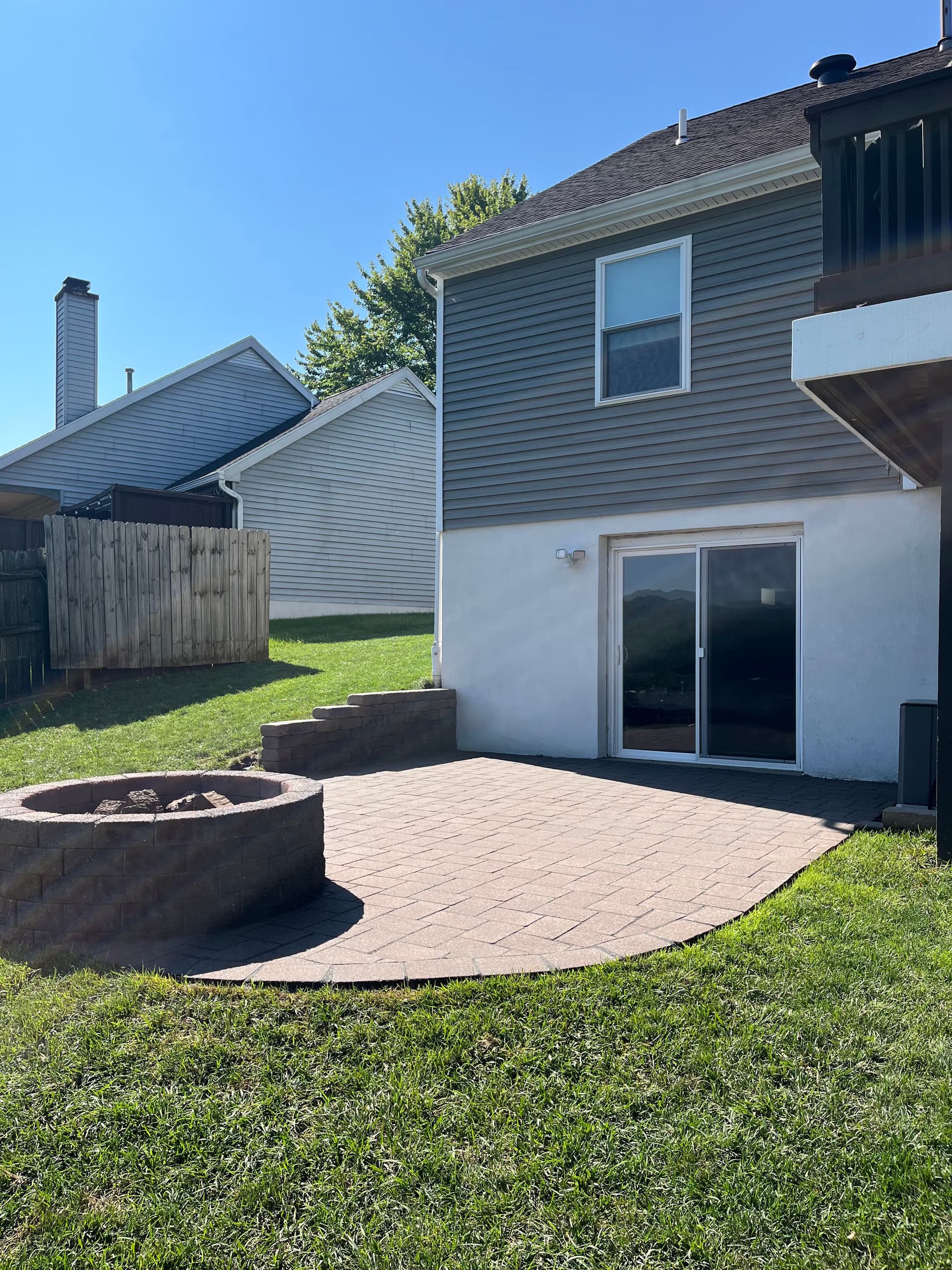
Pavers are a popular choice for patios, walkways, driveways, and outdoor living spaces because they offer durability, versatility, and timeless curb appeal. However, even the highest-quality paver installations can begin to show signs of wear over time. Exposure to weather, foot traffic, vehicle use, and natural settling can gradually impact both the appearance and performance of your paver surfaces.
Many homeowners assume that aging pavers automatically require replacement, but that's often not the case. In many situations, professional paver restoration can restore the beauty, functionality, and longevity of an existing installation at a fraction of the cost of a complete replacement.
Recognizing the early signs of deterioration is key to protecting your investment. The sooner issues are addressed, the easier and more cost-effective the restoration process can be.
Fading and Discoloration
One of the most noticeable signs that your pavers may need restoration is fading. Over time, constant exposure to sunlight, rain, snow, and seasonal weather changes can cause pavers to lose their original color and vibrancy.
While some color change is natural, excessive fading can make your outdoor spaces look worn and neglected.
Common causes of discoloration include:
UV exposure
Weathering
Dirt and debris buildup
Organic staining
Lack of protective sealing
Professional restoration often includes deep cleaning and sealing, which can significantly enhance the appearance of pavers and help restore their original character.
A fresh, vibrant surface can dramatically improve the overall look of your property and boost curb appeal.
Weeds Growing Between Pavers
Weeds growing through paver joints are more than just an aesthetic issue. They often indicate that the joint sand between pavers has deteriorated or washed away over time.
As joint sand becomes depleted, gaps form between pavers, creating opportunities for weeds, moss, and other unwanted vegetation to establish themselves.
Signs of joint sand deterioration include:
Weed growth
Moss accumulation
Visible gaps between pavers
Loose paver movement
Increased debris collection
Professional restoration typically involves removing weeds, cleaning the joints, and installing new polymeric sand to stabilize the surface and discourage future growth.
Addressing these issues early helps maintain the structural integrity of the paver system.
Shifting or Uneven Pavers
Pavers should provide a smooth, stable surface. If certain sections begin to shift, settle, or become uneven, restoration may be necessary to correct the problem.
Uneven pavers can develop for several reasons, including:
Soil settlement
Drainage issues
Freeze-thaw cycles
Heavy traffic
Base material movement
As pavers move out of alignment, they can create tripping hazards and negatively impact the appearance of the installation.
Professional restoration may involve lifting affected pavers, correcting the base material, and reinstalling the pavers to restore a level surface.
By addressing these issues promptly, homeowners can prevent more extensive damage from developing over time.
Loss of Joint Sand
Joint sand plays a critical role in keeping pavers stable and properly spaced. Over time, rain, irrigation, foot traffic, and weather conditions can gradually erode this material.
When joint sand is lost, homeowners may notice:
Wider gaps between pavers
Increased weed growth
Paver movement
Water infiltration
Reduced surface stability
Many people overlook this issue because the pavers themselves may still appear intact. However, failing to replace lost joint sand can lead to larger structural problems over time.
Professional paver restoration includes replenishing the joint sand to improve stability and help protect the installation from future deterioration.
Water Drainage Problems
Proper drainage is essential for the long-term performance of any paver surface. When water begins pooling on patios, walkways, or driveways, it may indicate underlying issues that require attention.
Standing water can contribute to:
Surface erosion
Base failure
Paver shifting
Staining
Accelerated deterioration
If water consistently collects in certain areas after rainfall, it's important to investigate the cause before more serious damage occurs.
Professional restoration can often correct minor drainage issues while restoring the overall performance of the paver system.
Improved drainage not only protects the pavers but also helps preserve surrounding landscaping and hardscape features.
Cracks, Chips, and Surface Damage
Although pavers are designed to be durable, individual units can occasionally become cracked, chipped, or damaged due to impact, heavy loads, weather conditions, or age.
Common signs of surface damage include:
Cracked pavers
Chipped edges
Surface flaking
Broken corners
Visible wear patterns
Fortunately, one of the advantages of paver systems is that damaged units can often be replaced individually without removing the entire installation.
During the restoration process, damaged pavers can be repaired or replaced while preserving the overall appearance and functionality of the surface.
This targeted approach is often far more cost-effective than complete replacement.
Your Pavers No Longer Look Their Best
Sometimes the signs are less about structural damage and more about overall appearance.
Even if your pavers remain functional, years of dirt accumulation, staining, weathering, and wear can leave outdoor spaces looking tired and outdated.
Professional restoration can revitalize:
Patios
Walkways
Driveways
Pool decks
Outdoor entertainment areas
Deep cleaning, joint stabilization, repairs, and sealing work together to dramatically improve appearance while helping protect the surface from future wear.
Many homeowners are surprised by how dramatically restored pavers can transform the look of their property.
The Benefits of Addressing Problems Early
Waiting too long to address paver issues often allows minor concerns to develop into larger and more expensive problems.
Early restoration can help:
Extend the lifespan of your pavers
Improve safety
Restore curb appeal
Prevent costly repairs
Protect surrounding landscaping
Enhance property value
Routine maintenance and timely restoration help homeowners maximize the return on their original hardscaping investment.
Rather than allowing deterioration to continue, proactive restoration can keep your outdoor spaces looking beautiful and functioning properly for years to come.
Restore the Beauty and Performance of Your Pavers
Pavers are designed to provide long-lasting beauty and durability, but they still require occasional maintenance and restoration to remain in top condition. Fading, weeds, shifting surfaces, joint sand loss, drainage problems, and surface damage are all signs that professional attention may be needed.
By addressing these issues early, homeowners can often avoid costly replacements while restoring the appearance and functionality of their outdoor spaces.
Contact Golden Vision Properties
At Golden Vision Properties, we provide professional paver restoration services designed to renew the beauty, stability, and longevity of your hardscape features. Whether your patio, walkway, or driveway is showing signs of wear, our experienced team can help restore it to its best condition.
Call us today at (610) 207-1052 or email goldenvisionprop@outlook.com to schedule a consultation and learn more about our paver restoration services.